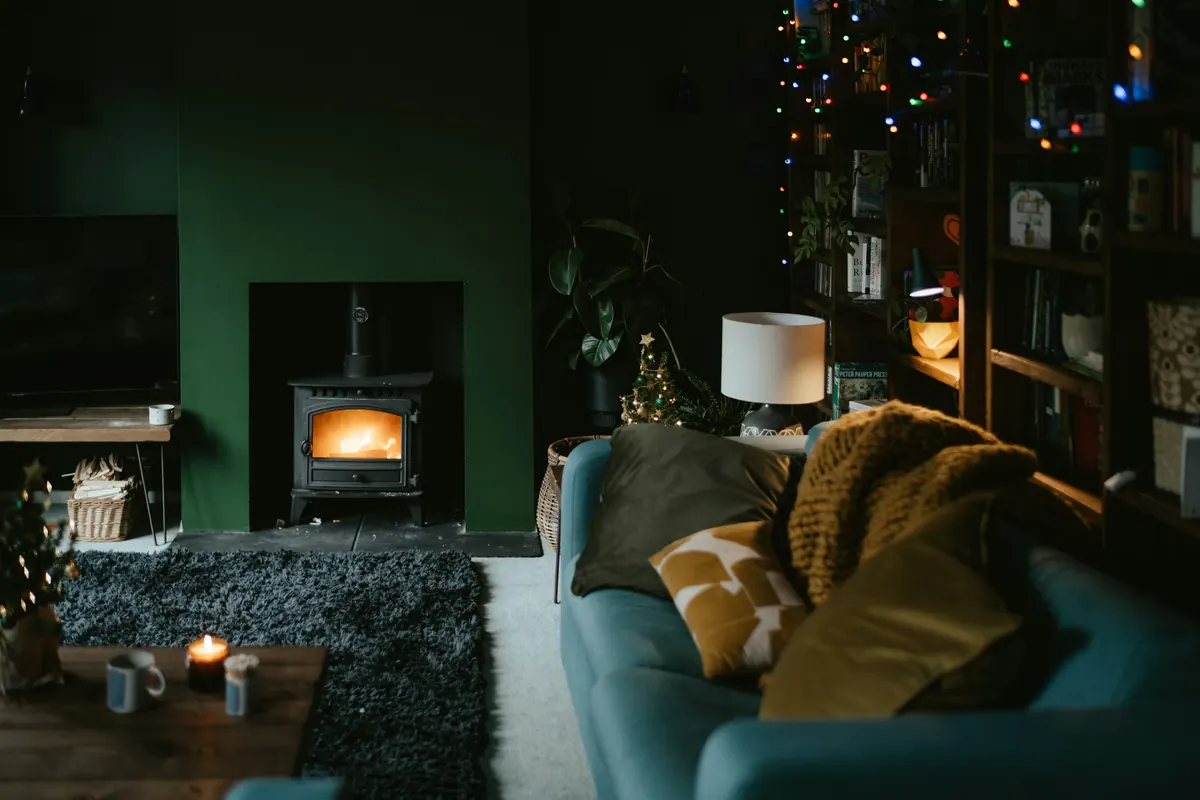
It's 5:42 in the afternoon, and the room has already begun to disappear into the dark.
The window feels cold. A cup of tea is cooling on the table. Somewhere in the building, a door closes. You reach for a blanket, turn on a lamp, and settle into the chair you always choose when nobody else is home.
Suddenly, the evening feels different.
The furniture hasn't changed. The walls are the same. Nothing new has arrived in a package.
Yet the room seems to be taking care of you.
We spend so much time thinking about how our homes look that it's easy to forget how much of living happens through touch, light, sound, and habit. Winter has a way of reminding us.
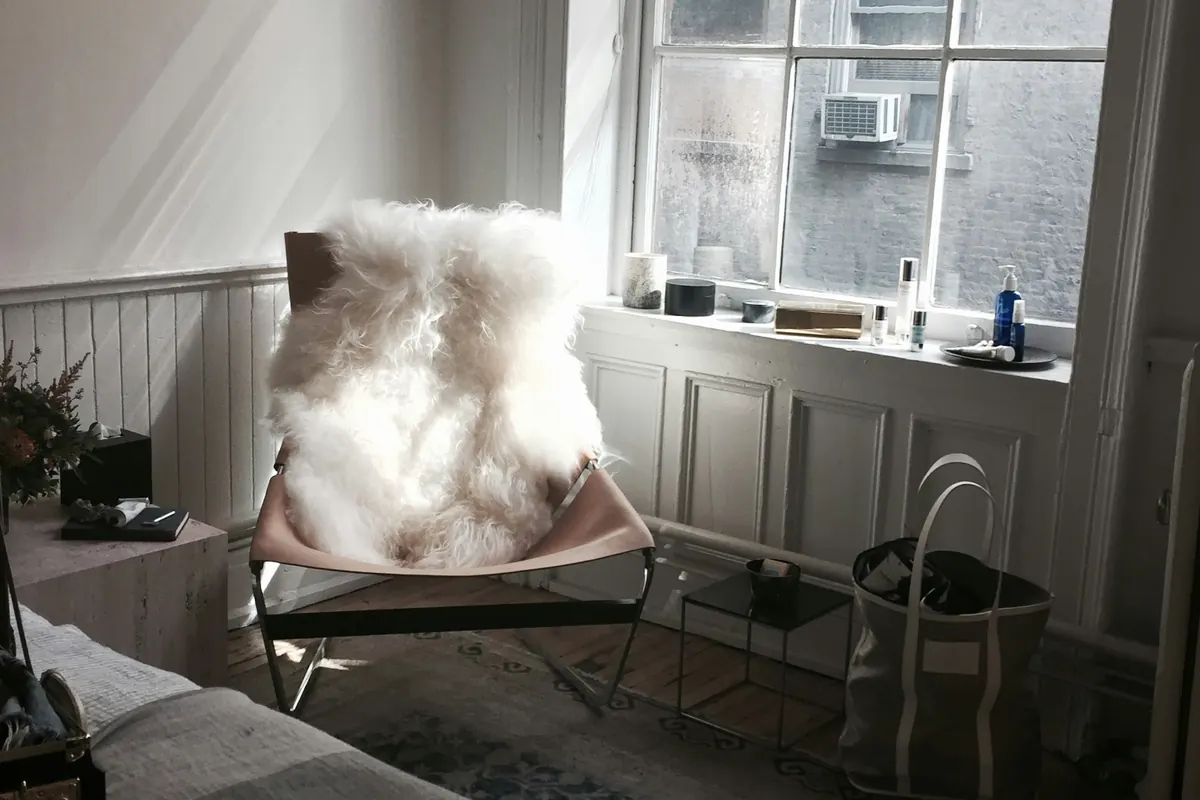
The new luxury is feeling at home
The desire for comforting interiors is appearing in design trend reports, too.
It's a striking number, but it doesn't mean everyone suddenly needs an expensive wool blanket.
What interests us is the feeling behind that search: the appeal of softness, texture, and a room that invites you to stay.
Winter comfort looks different in different homes. In a cold climate, it may involve keeping drafts out and making the most of daylight. In a milder city, it might be about creating a slower evening ritual. And sometimes it has nothing to do with the temperature.
Before rearranging your room, let's find out what kind of comfort you're actually missing.
There are no wrong results. You may even recognize yourself in all three.
Mostly A: The Soft Layerer
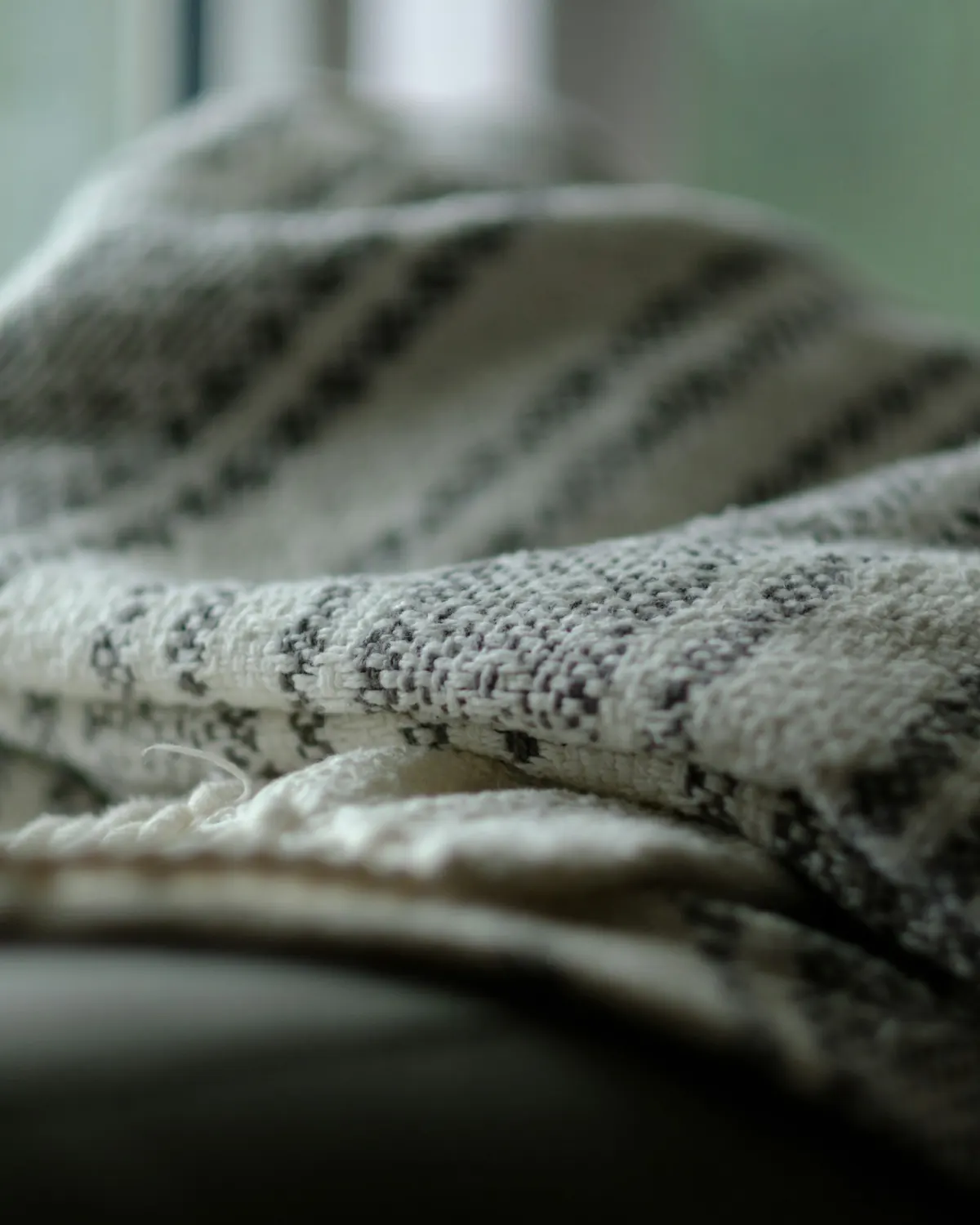
For you, comfort begins with touch.
You notice the weight of a blanket, the texture of a cushion, and whether a chair makes you want to stay for another chapter.
Your home doesn't necessarily need more textiles. It needs the right ones, where you'll actually use them.
- Start with your favorite seat. Place a throw over its arm rather than folding it perfectly out of reach.
- Mix surfaces with different personalities: a smooth linen cushion beside a wool blanket, or a crisp cotton cover against an old woven rug.
- Keep the number of layers manageable. A sofa buried beneath cushions is rather less comfortable when you have to excavate somewhere to sit.
Your small challenge: Find one beautiful textile that's been living in a closet. Give it an everyday purpose.
Mostly B: The Light Keeper
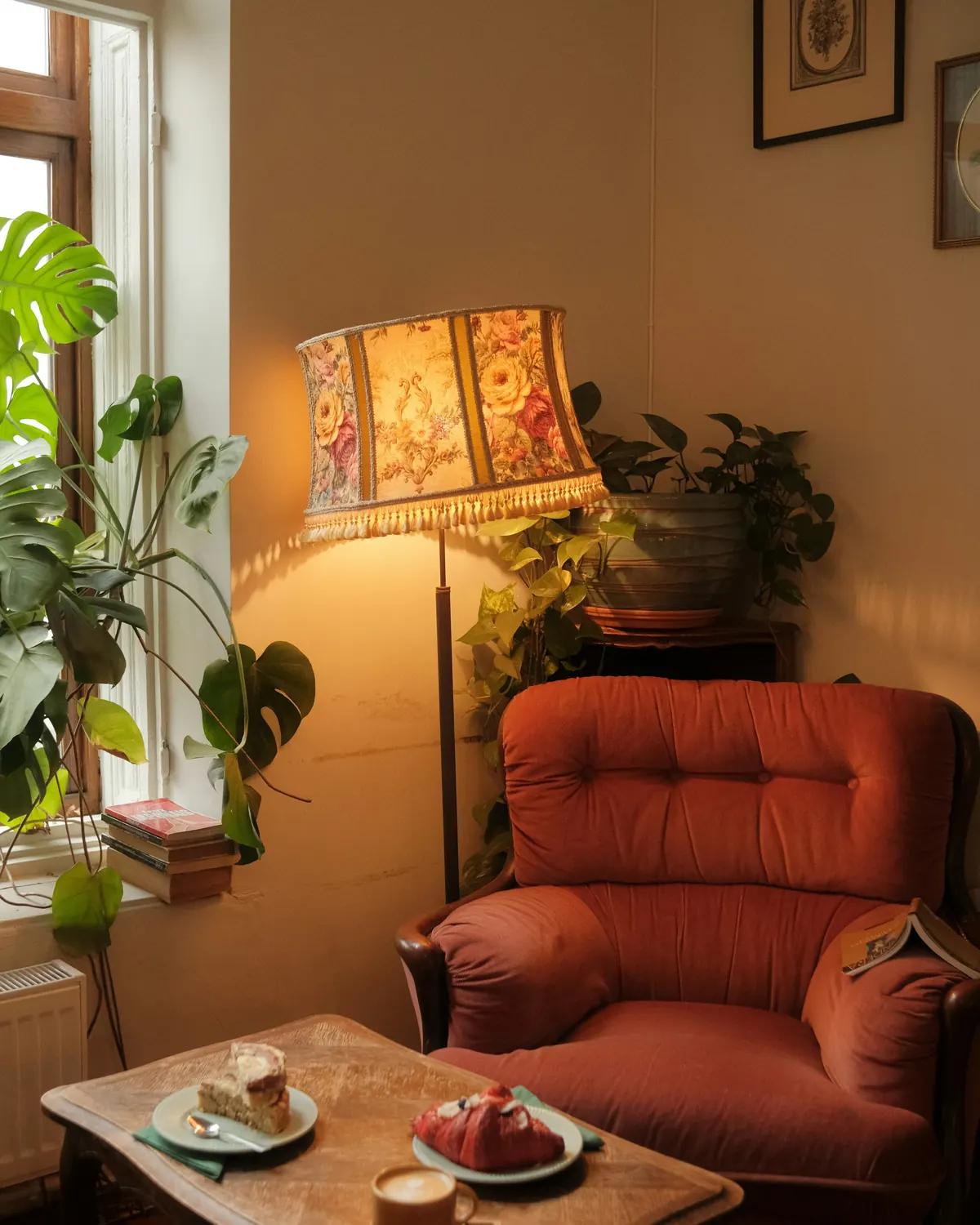
Your idea of comfort is atmospheric.
You care about the way a room changes between four in the afternoon and eight at night. The difference between a bright ceiling fixture and a softly lit corner can feel enormous.
- Begin with daylight. Open the curtains when the sun can brighten the room, and observe which corners become pleasant as the afternoon moves along.
- After dark, try an existing table or floor lamp instead of automatically switching on every overhead light.
- Move a lamp to the other side of a chair or closer to a wall, provided it's safe and the cord doesn't create a trip hazard.
Your small challenge: Spend one evening using only the lamps you already own. Notice what changes.
Mostly C: The Quiet Curator
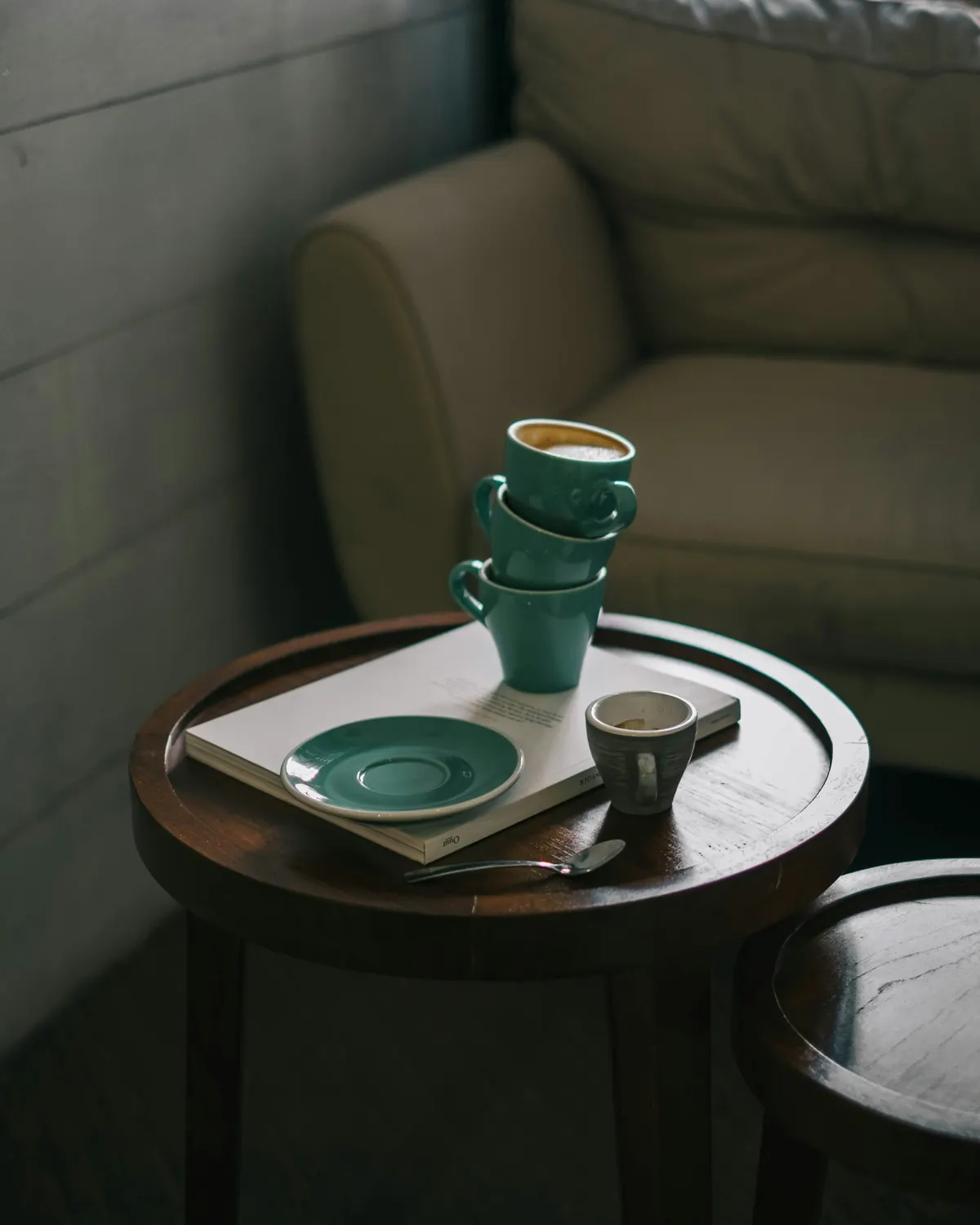
For you, a cozy room is one that makes daily life feel effortless.
You don't want to rearrange three cushions before sitting down or cross the room to find somewhere to put your cup. Your version of warmth is as much about ease as appearance.
- Create one reliable landing place near your favorite seat. A small table, cleared shelf, or existing tray is enough.
- Keep frequently used objects accessible: your book, glasses, a charging cable, or a notebook.
- Remove the decorative pieces that compete with what you actually do there.
Your small challenge: Clear one surface and return only what makes that corner more useful or personal.

The materials are supporting characters
Wool, linen, cotton, wood, and ceramics don't have to compete for attention.
A woven wool throw can make a smooth sofa feel more tactile. Linen introduces relaxed folds. Wood brings grain and variation. A familiar ceramic cup offers the simple pleasure of something comfortable to hold.
The secret isn't accumulating textures. It's noticing the contrasts you already have.
Try setting one rough surface beside one smooth one. One matte finish beside something slightly reflective. Then stop before the room becomes a fabric showroom.
A winter home isn't made cozy by how much you add, but by how well it welcomes you.
The practical side of winter comfort
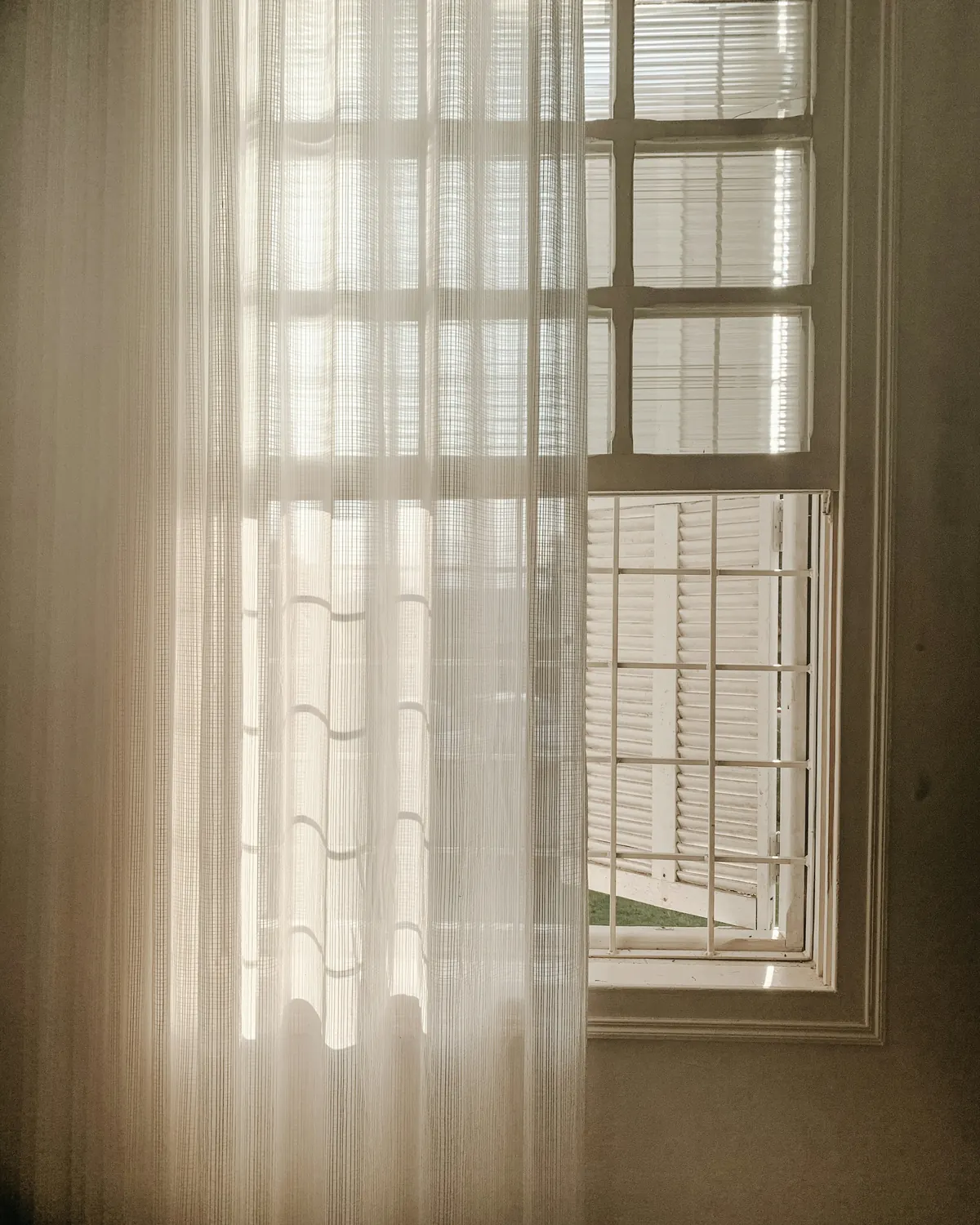
There's one distinction worth making: a room can look warmer without actually becoming warmer.
A beautiful throw and soft lighting will make a cold room warm.
A throw doesn't fix a drafty window, and soft light doesn't replace safe heating. Fabrics should never cover heaters, touch hot bulbs, or block ventilation.
If cold weather affects your home, start with the basics. Close windows properly, check for obvious drafts, and use suitable curtains or shades to help manage heat loss.
During sunny winter hours, opening curtains can let useful sunlight in; closing them after sunset can help retain warmth. The best approach depends on your windows, climate, and building.
Atmosphere matters. So does physical comfort.
The winter reset: one room, one evening
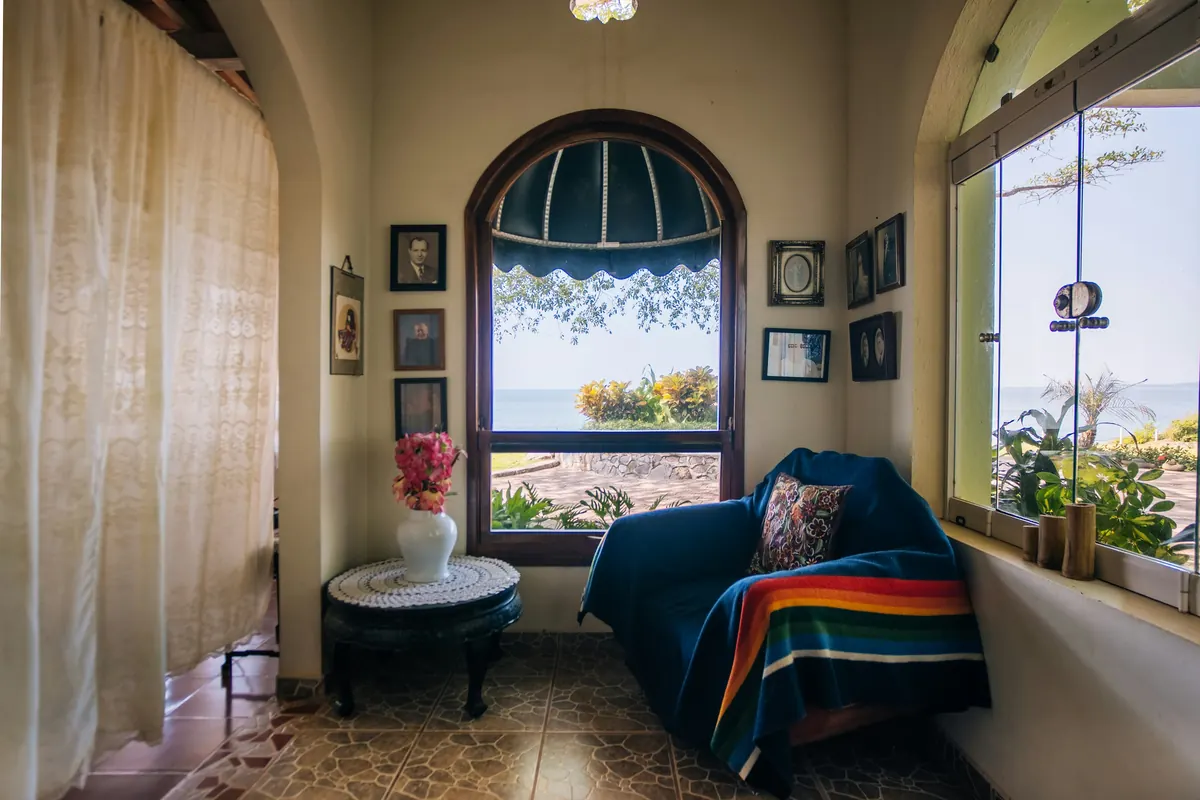
You don't have to redesign the whole house. Choose the room where you spend your evenings.
- 1Feel.
Sit in your usual place. Is it comfortable? Are you too cold, too warm, or simply surrounded by things you don't need?
- 2Edit.
Remove whatever interrupts the way you want to use the space.
- 3Layer.
Bring in one textile you already own, if it genuinely improves comfort.
- 4Light.
Adjust the curtains or relocate an existing lamp safely.
- 5Live.
Read, eat, talk, or simply sit there for a while. Notice what works before changing anything else.
The goal isn't to create a photograph. It's to improve an ordinary evening.
A home that adapts to your season
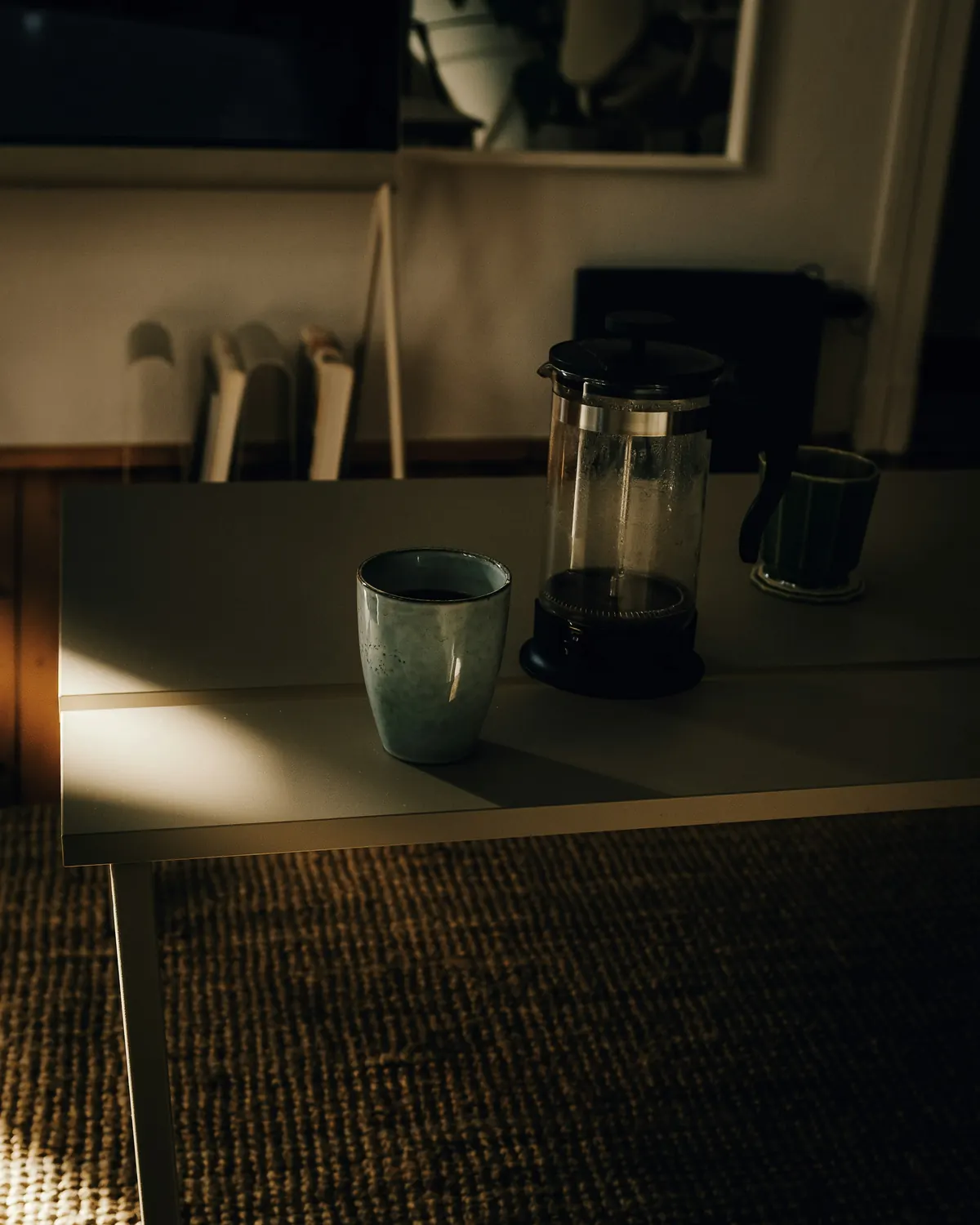
Maybe winter means a thick sweater and rain on the windows. Maybe it means snow, early darkness, and a radiator making familiar noises.
Or perhaps you live somewhere warm, and winter is simply the season when you enjoy opening the windows in the afternoon.
There's no single aesthetic that can accommodate every climate and every life. But the desire for a comfortable corner is wonderfully universal.
The best rooms respond to the people living in them, rather than to an image of how winter is supposed to look.
If you like interiors that make room for real life, you may also enjoy our story about the Paris apartment and the art of living with what you love.
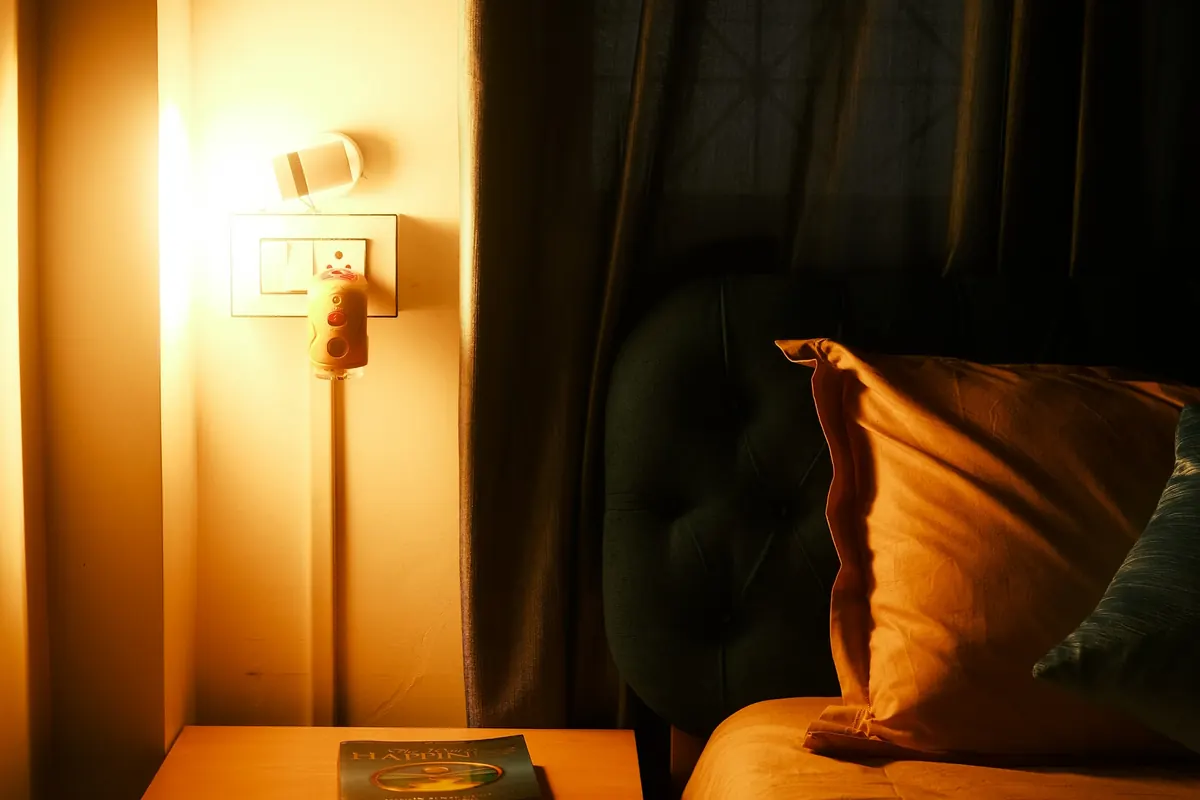
When the house gets quiet
Later that evening, the cup has been washed. The book is face down on the table. The blanket has slipped halfway off the chair.
One lamp is still on.
The room isn't particularly styled. Nothing has been arranged for anyone else's approval.
But it feels good to be there.
Maybe winter-proofing a home begins with that simple realization: the most welcoming spaces aren't necessarily the ones that have the most.
They're the ones that know what we need when we come home.
Sources & notes
- Merino wool blanket searches +205% year over year: Trendalytics, Fall/Winter 2026 Home Decor Forecast. The figure refers to that product search, not to sales.
- Curtains and heat: guidance from the U.S. Department of Energy and the Australian Government's Your Home guide.
- The quiz and profiles are original editorial content for fun, not a psychological assessment.
- Photos (Unsplash License): Joshua Reddekopp, Leonardo Vargas, Annie Spratt, Rizky Subagja, Ionut Vlad, Kateryna Hliznitsova, Jonathan Borba, brbrihan__, Arthur Charles Pratt, Janet Hu.
Son las cinco y cuarenta y dos de la tarde y la sala empieza a quedarse a oscuras.
La ventana está fría. Hay una taza de té sobre la mesa. En algún apartamento cercano se escucha una puerta que se cierra.
Buscas una manta, enciendes una lámpara y te acomodas en ese sillón que siempre eliges cuando tienes la casa para ti.
De pronto, todo se siente diferente.
No cambiaste los muebles, no pintaste las paredes y tampoco llegó ningún paquete con algo nuevo. Sin embargo, la casa parece estar cuidándote.
Pasamos tanto tiempo pensando en cómo se ven nuestros espacios que a veces olvidamos algo fundamental: también los vivimos a través de las texturas, los sonidos, la luz y nuestras pequeñas costumbres. El invierno tiene una manera muy particular de recordárnoslo.
El verdadero lujo es sentirse en casa
Esa búsqueda de comodidad también aparece en los informes de tendencias.
Es un aumento llamativo. Pero eso no significa que todos tengamos que salir a comprar una manta costosa.
Lo interesante es lo que hay detrás de esa búsqueda: el deseo de rodearnos de materiales suaves, texturas agradables y espacios que inviten a quedarse.
Y no todas las casas necesitan lo mismo. En un lugar muy frío, quizás el desafío sea controlar las corrientes de aire y aprovechar la luz del sol. En una ciudad con inviernos más suaves, puede tratarse de crear una rutina distinta para el final del día. Incluso hay ocasiones en que no tiene nada que ver con la temperatura.
Antes de mover muebles o sumar cojines, vale la pena descubrir qué tipo de comodidad te está faltando.
No hay resultados mejores que otros. Y probablemente encuentres algo de ti en los tres.
Mayoría de A: amante de las texturas
Para ti, la comodidad empieza por el tacto.
Notas si una manta es agradable, si un cojín tiene la textura justa y si un sillón invita a quedarse leyendo un capítulo más.
Pero eso no quiere decir que necesites acumular textiles. La clave está en elegir bien dónde ponerlos.
- Empieza por tu asiento favorito. Deja una manta sobre el apoyabrazos, en lugar de doblarla perfectamente y guardarla donde nadie la use.
- Combina materiales distintos: un cojín de lino liso junto a una manta de lana, algodón fresco con una alfombra tejida, superficies suaves con otras más rústicas.
- No conviertas el sofá en una montaña de cojines. La idea es poder sentarte sin tener que hacer una excavación previa.
Tu desafío: recupera un textil que esté guardado y encuéntrale un uso cotidiano.
Mayoría de B: guardiana de la luz
Para ti, el ambiente importa tanto como los muebles.
Te encanta ver cómo cambia una habitación entre la tarde y la noche. Sabes que la misma mesa puede parecer completamente distinta debajo de una luz blanca intensa o junto a una lámpara cálida.
- Empieza por observar la luz natural. Abre las cortinas cuando el sol pueda iluminar el ambiente y fíjate qué rincones se vuelven más agradables durante la tarde.
- Cuando oscurece, prueba encender una lámpara de mesa o de pie en lugar de recurrir automáticamente a todas las luces del techo.
- Mueve una lámpara que ya tengas, siempre que quede en un lugar seguro y sin cables atravesando zonas de paso.
Tu desafío: pasa una noche usando solamente las lámparas que ya tienes. Presta atención a cómo cambia el espacio.
Mayoría de C: curadora de lo cotidiano
Tu idea de comodidad tiene mucho que ver con la facilidad.
No quieres mover tres cojines cada vez que te sientas ni levantarte continuamente porque olvidaste dónde dejar la taza. Para ti, una casa cálida también es una casa que funciona.
- Arma un lugar cómodo y práctico cerca de tu asiento favorito: una mesita, una repisa despejada o una bandeja que ya tengas.
- Deja a mano las cosas que usas de verdad: un libro, tus lentes, el cargador, una libreta.
- Saca los objetos decorativos que terminan complicando lo que haces todos los días.
Tu desafío: despeja una superficie y devuelve solamente lo que aporte utilidad o tenga significado para ti.
Las texturas son personajes secundarios
La lana, el lino, el algodón, la madera y la cerámica pueden convivir sin competir.
Una manta de lana tejida aporta textura a un sofá liso. El lino suma pliegues naturales. La madera tiene vetas que hacen que ninguna superficie sea exactamente igual a otra. Y una taza de cerámica conocida puede transformar un momento común en un pequeño ritual.
El secreto no está en acumular materiales. Está en mirar los contrastes que ya existen en casa.
Prueba juntar una textura rugosa con otra suave. Algo mate con un objeto que refleje un poquito la luz. Después, detente: no necesitamos vivir dentro de un catálogo de telas.
Una casa cálida no se define por cuánto le agregas, sino por lo bien que te recibe.
El lado práctico del invierno
Hay algo importante que conviene distinguir: una casa puede verse más cálida sin estar realmente más abrigada.
Una manta bonita y una luz suave bastan para abrigar un ambiente frío.
Una manta no soluciona una ventana por la que entra aire frío, y la luz suave no reemplaza una calefacción segura. Las telas nunca deberían cubrir radiadores, tocar focos calientes ni obstruir la ventilación.
Si vives en un lugar con temperaturas bajas, empieza por lo básico: cierra bien las ventanas, revisa si hay corrientes de aire y aprovecha las cortinas o persianas adecuadas.
Cuando hay sol, abrirlas puede ayudarte a aprovechar el calor natural. Cerrarlas al anochecer puede contribuir a conservarlo, según el clima y las características de tu casa.
Porque la atmósfera importa. Pero el bienestar real también.
Una noche para transformar tu rincón favorito
No hace falta reorganizar toda la casa. Elige el ambiente donde pasas más tiempo al final del día.
- 1Siente.
Siéntate donde siempre. ¿Estás cómoda? ¿Hace frío? ¿Hay demasiadas cosas alrededor?
- 2Despeja.
Retira lo que interrumpe la manera en que quieres usar ese espacio.
- 3Suma textura.
Busca una manta o un cojín que ya tengas, si realmente mejora la comodidad.
- 4Cambia la luz.
Abre o cierra las cortinas según el momento. Prueba otra lámpara, siempre de manera segura.
- 5Vive el espacio.
Lee, cena, conversa o simplemente quédate sentada un rato. Observa qué funciona antes de cambiar algo más.
No se trata de preparar una foto. Se trata de mejorar una noche cualquiera.
Una casa que acompaña tu estación
Quizás para ti el invierno sea un suéter grueso y lluvia contra las ventanas. O nieve, tardes cortas y el ruido familiar de la calefacción.
Tal vez vives en un lugar cálido y esta sea justamente la época en la que puedes abrir las ventanas por la tarde.
No existe una sola estética capaz de representar todos los inviernos. Lo que sí compartimos es ese deseo de encontrar un rincón donde nos guste estar.
Las mejores casas no responden a una imagen de cómo debería verse una estación. Responden a la vida de quienes las habitan.
Si te gusta esta manera de pensar el hogar, puedes leer también nuestro artículo sobre el apartamento parisino y la belleza de vivir con objetos que te representan.
Cuando la casa se queda en silencio
Más tarde, la taza ya está lavada. El libro quedó abierto boca abajo sobre la mesa. La manta se deslizó hasta quedar a mitad del sillón.
Una lámpara sigue encendida.
El ambiente no está especialmente decorado. Nadie preparó nada para que otra persona lo admire.
Pero da gusto estar ahí.
Quizás preparar una casa para el invierno empiece con una idea bastante sencilla: los espacios que mejor nos reciben no siempre son los que tienen más cosas.
Son los que saben lo que necesitamos cuando volvemos.
Fuentes y notas
- Búsquedas de mantas de merino +205 % interanual: Trendalytics, Fall/Winter 2026 Home Decor Forecast. La cifra se refiere a esa búsqueda, no a ventas.
- Cortinas y calor: recomendaciones del Departamento de Energía de EE. UU. y de la guía Your Home del Gobierno de Australia.
- El quiz y los perfiles son contenido editorial recreativo, no una evaluación psicológica.
- Fotos (licencia de Unsplash): Joshua Reddekopp, Leonardo Vargas, Annie Spratt, Rizky Subagja, Ionut Vlad, Kateryna Hliznitsova, Jonathan Borba, brbrihan__, Arthur Charles Pratt, Janet Hu.